Ye'Ethiopia Maed · The Ethiopian Table

Ethiopian Cooking Without Vegetable Oil

Gather around the mesob, where the doro wat turns deep and glossy on a slow bed of onions, the injera cools in soft folds, and the jebena sings on the coals. Honest spice and patient heat, the way the highlands have always cooked.

Niter Kibbeh✶ Ghee✶ Olive Oil
A warmly plated Ethiopian dish on a dark table
✶ Doro Wat
From the recipe collection
Kibe

Niter Kibbeh First

Every wat in this collection begins with niter kibbeh, the spiced clarified butter infused with garlic, ginger, and warm seeds, never with a refined seed oil.

Kes Be Kes

Slow Simmered, Never Rushed

A doro wat is ready when the onions have all but melted into the sauce and not a minute before. We cook the highland way, over patient heat, with time as the main ingredient.

Nitsuh

Never Vegetable Oil

No seed oils, no shortcuts. Only the pure traditional fats that Ethiopian home kitchens have trusted for generations, niter kibbeh, ghee, and good olive oil.

✶
From Our Kitchen

Ethiopian Recipes

Six beloved dishes from the highland table, each cooked with the honest fats that carry berbere and spice the way they are meant to be tasted.
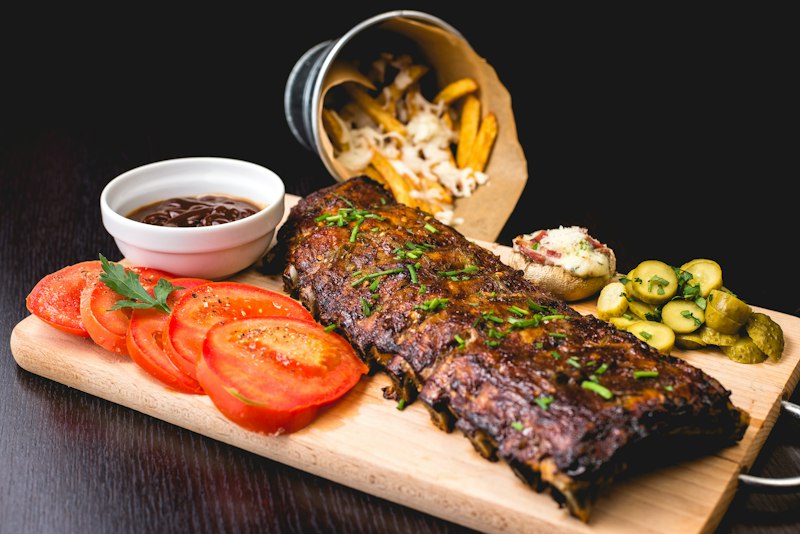
Gondar Doro wat, chicken simmered in a deep red berbere sauce

Doro Wat

Chicken stew in berbere and niter kibbeh

2 hr 15 min·6 servings·Medium

The heart of every Ethiopian feast. Chicken braised slowly in a mountain of onions, niter kibbeh, and berbere until the sauce turns dark and glossy, finished with whole eggs turned in the spice.

Ingredients

  • 8 chicken drumsticks or thighs, skin removed
  • Juice of 1 lemon
  • 4 tbsp niter kibbeh (spiced clarified butter)
  • 4 large red onions, very finely chopped
  • 4 tbsp berbere spice blend
  • 4 garlic cloves, crushed
  • 1 tbsp fresh ginger, grated
  • 2 tbsp tomato paste
  • 6 hard boiled eggs, peeled
  • Salt, 250 ml water, and a little honey to balance

Instructions

  1. Toss the chicken with the lemon juice and a pinch of salt and set aside while you build the sauce.
  2. Cook the onions dry in a heavy pot over low heat for 20 minutes, stirring, until softened and reduced. This slow onion base is the soul of the dish.
  3. Stir in the niter kibbeh, garlic, and ginger and cook 5 minutes, then add the berbere and tomato paste and let them bloom in the butter for 2 minutes.
  4. Pour in the water to make a deep red sauce, season with salt, and bring to a gentle simmer.
  5. Nestle the chicken into the sauce, cover, and simmer gently for 45 minutes, turning the pieces now and then, until the meat pulls from the bone.
  6. Score the eggs lightly, add them to the pot, and simmer uncovered 15 minutes more until the sauce is thick and glossy.
  7. Taste, balance the heat with a little honey and salt, and serve over injera with the eggs on top.
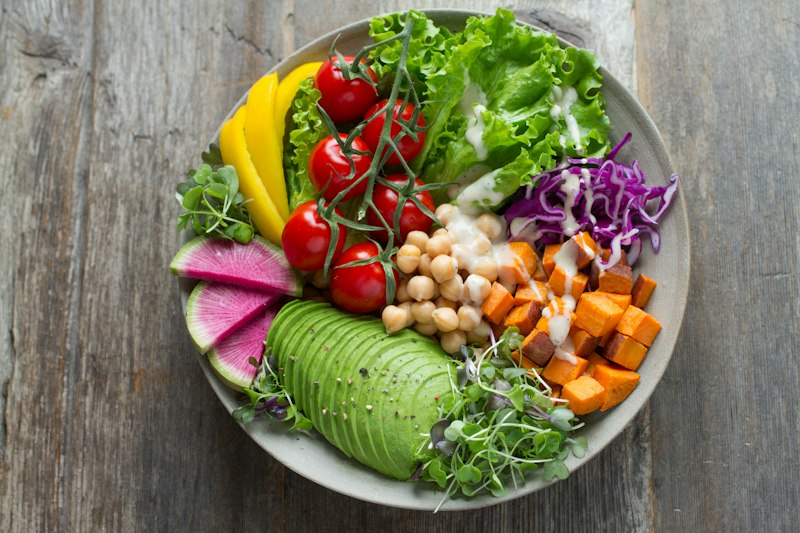
Tsom Misir wat, a bowl of red lentils cooked in spiced butter

Misir Wat

Red lentils in spiced clarified butter

45 min·4 servings·Easy

The comforting red lentil stew of the fasting table. Split lentils collapse into a soft, deep stew of onion, garlic, and berbere, rich with niter kibbeh and finished with fresh coriander.
Ingredients

  • 300 g split red lentils (misir), rinsed
  • 3 tbsp niter kibbeh (or ghee)
  • 2 red onions, finely chopped
  • 3 garlic cloves, crushed
  • 1 tbsp fresh ginger, grated
  • 2 to 3 tbsp berbere, to taste
  • 1 tbsp tomato paste
  • 700 ml water or light stock
  • Salt, to taste
  • A handful of chopped coriander, to finish

Instructions

  1. Cook the onions dry in a pot over low heat for 12 to 15 minutes until soft and golden, stirring so they do not scorch.
  2. Add the niter kibbeh, garlic, and ginger and cook 3 minutes until aromatic.
  3. Stir in the berbere and tomato paste and let them toast in the butter for a minute so the spice deepens.
  4. Add the rinsed lentils and turn them through the spiced butter until coated.
  5. Pour in the water, bring to a simmer, and cook gently for 25 to 30 minutes, stirring often, until the lentils collapse into a soft, thick stew.
  6. Season with salt and loosen with a little hot water if it tightens too much.
  7. Finish with the coriander and serve warm with injera or alongside gomen and rice.
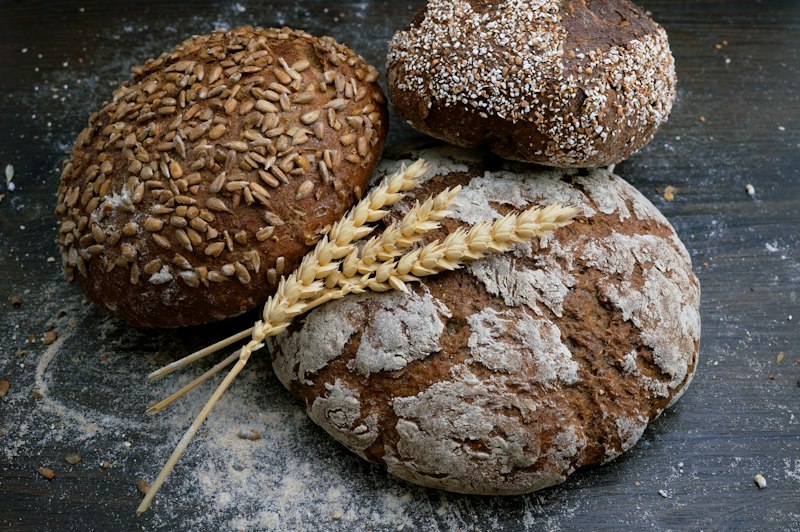
Atkilt Gomen, sauteed collard greens with garlic and ginger

Gomen

Collard greens with garlic and ginger

30 min·4 servings·Easy

The bright green side that balances every rich plate. Tender collard greens turned through niter kibbeh with garlic, ginger, and a whisper of cardamom, kept deep green and glossy.
Ingredients

  • 500 g collard greens (or kale), stemmed and shredded
  • 2 tbsp niter kibbeh
  • 1 tbsp olive oil (optional)
  • 1 onion, finely chopped
  • 3 garlic cloves, sliced
  • 1 tbsp fresh ginger, grated
  • 1 green chili, thinly sliced (optional)
  • Half a tsp ground cardamom
  • Salt, to taste
  • A squeeze of lemon, to finish

Instructions

  1. Blanch the shredded greens in salted boiling water for 2 minutes, then drain well and press out the water.
  2. Warm the niter kibbeh (and olive oil, if using) in a wide pan and soften the onion over medium heat for 8 minutes.
  3. Add the garlic, ginger, and chili and cook 2 minutes until fragrant.
  4. Stir in the cardamom, then add the drained greens and turn them through the spiced butter.
  5. Cook uncovered for 10 to 12 minutes, stirring, until the greens are tender and glossy but still deep green.
  6. Season with salt and finish with a squeeze of lemon.
  7. Serve warm as part of a shared platter with misir wat and injera.
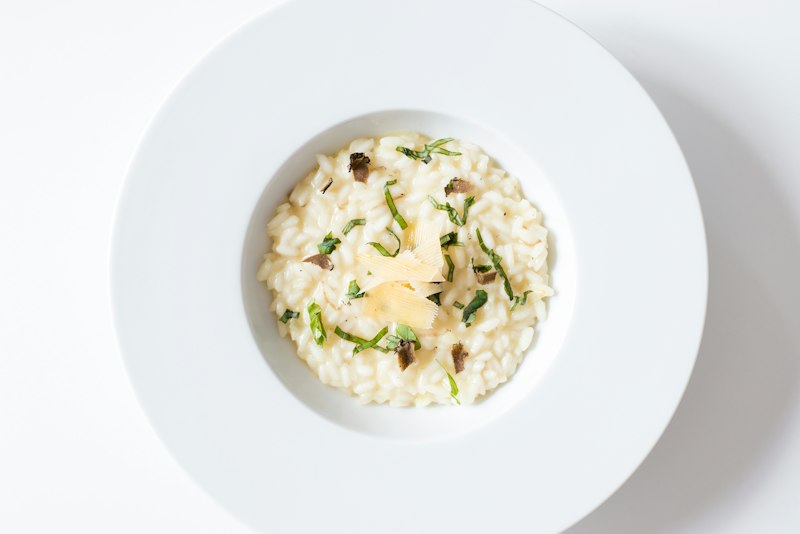
Teff Injera, soft teff flatbread resting on a board

Injera

Teff sourdough flatbread

3 days·8 flatbreads·Advanced

The soft, tangy flatbread that is plate, bread, and spoon all at once. A naturally fermented teff batter poured in a spiral and cooked until the surface blooms with its signature tiny eyes.
Ingredients

  • 400 g teff flour, ivory or brown
  • 600 ml water, plus extra as needed
  • 100 ml active injera starter from a previous batch, or a quarter tsp instant yeast to begin one
  • A generous pinch of fine salt
  • A little just boiled water, for the absit
  • A little niter kibbeh or ghee, to season the pan
  • A wide nonstick pan or clay griddle (mitad)
  • Patience over two to three days

Instructions

  1. Whisk the teff flour with the water and starter to a smooth, pourable batter, cover loosely, and leave at room temperature.
  2. Ferment for 2 to 3 days, stirring once a day, until the batter smells pleasantly sour and bubbles rise to the surface.
  3. Pour off any clear liquid gathered on top, then stir the batter back to a thin cream, adding water if needed.
  4. Make the absit by whisking a ladle of batter into a little just boiled water until thick, then stir it back in to give the injera its spring.
  5. Wipe a wide griddle with a trace of niter kibbeh and heat until a drop of water dances.
  6. Pour the batter in a spiral from the outside in, cover, and cook without flipping for 2 to 3 minutes until the top sets with tiny eyes and the edges lift.
  7. Slide onto a cloth to cool, then repeat, stacking the injera once cool.
Harar Tibs, seared cubes of beef with onion and rosemary

Tibs

Seared beef with rosemary and awaze

25 min·4 servings·Medium

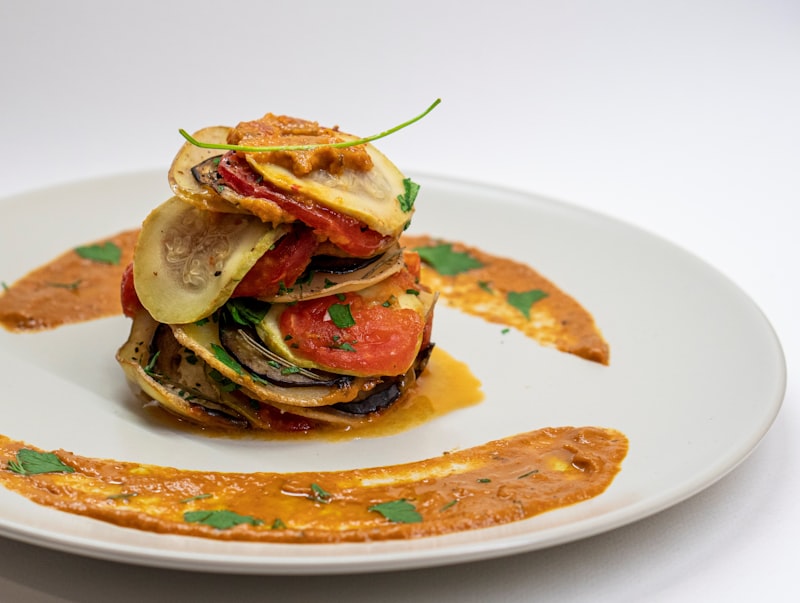
The sizzling celebration dish, brought to the table still crackling. Cubes of beef seared hard in smoking niter kibbeh with onion, rosemary, and fresh chili, juicy in the middle and deeply savory.
Ingredients

  • 600 g beef sirloin or tenderloin, cut into bite sized cubes
  • 3 tbsp niter kibbeh
  • 1 red onion, cut into wedges
  • 2 garlic cloves, crushed
  • 1 tbsp fresh ginger, grated
  • 1 tomato, cut into wedges
  • 1 sprig fresh rosemary
  • 1 to 2 green chilies, sliced
  • 1 tbsp awaze (berbere loosened with a little water), optional
  • Salt and black pepper

Instructions

  1. Pat the beef very dry and season it well with salt and black pepper.
  2. Get the niter kibbeh smoking hot in a heavy pan or clay dish so the meat sears rather than stews.
  3. Add the beef in a single layer and sear hard for 2 to 3 minutes without stirring, then toss until browned but still pink within.
  4. Add the onion wedges, garlic, ginger, and rosemary and stir over high heat for 2 minutes.
  5. Fold in the tomato and chilies (and the awaze, if using) and cook 2 minutes more until just glazed.
  6. Pull the pan from the heat while the beef is still juicy.
  7. Serve at once, sizzling, with injera and a wedge of lemon.
Sidama Buna, freshly brewed coffee poured from a clay jebena into small cups

Buna

The Ethiopian coffee ceremony

40 min·6 cups·Easy

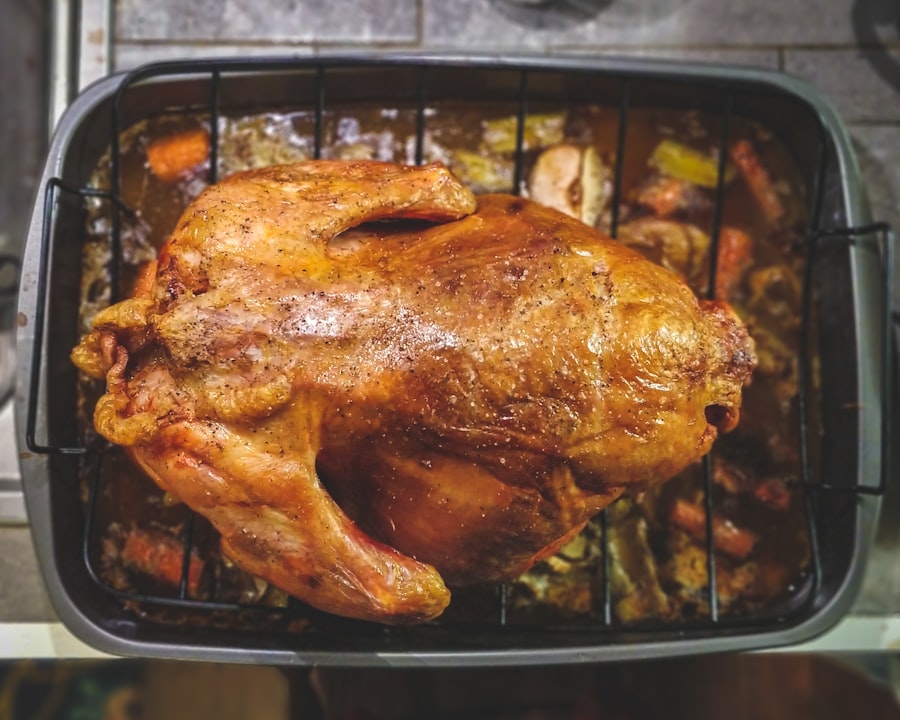
The unhurried close to every gathering. Green beans roasted in the pan until they gleam, ground warm, and brewed in a clay jebena, then poured from a height and sweetened with a little honey.
Ingredients

  • 200 g green (unroasted) coffee beans
  • 1 litre cold water
  • 4 green cardamom pods, lightly cracked (optional)
  • 2 whole cloves (optional)
  • A small sprig of rue (tena adam), if you have it
  • Honey or sugar, to serve
  • A handful of popcorn or roasted barley (kolo), to accompany
  • Frankincense for the coals (optional)

Instructions

  1. Rinse the green beans in cool water and drain, picking out any stones.
  2. Roast the beans dry in a heavy pan over medium heat, shaking constantly, until they turn deep brown and glossy and release their oils, about 10 minutes.
  3. While they are still warm, grind the beans coarsely and breathe in the aroma the way the ceremony intends.
  4. Bring the water to a boil in a jebena or small saucepan, add the ground coffee with the cardamom and cloves, and let it rise and settle two or three times without boiling over.
  5. Rest the pot a moment so the grounds sink, then pour the coffee from a height into small handleless cups.
  6. Sweeten with honey or sugar and drop a leaf of rue into each cup if you have it.
  7. Serve with popcorn or kolo, then refill the pot with water for the traditional second and third rounds.
A rustic table set with warm, shared home cooked dishes
Our Kitchen

The Kitchen Behind Jostol

Jostol is a small home kitchen devoted to the cooking of the Ethiopian highlands, where a shared platter of injera holds a dozen wats at once, greens meet lentils meet spiced meat, and the meal always ends around the jebena. We write these recipes down the way they are still cooked at home, patiently, precisely, and with a generous hand on the spice.

Our only house rule is an old one. Niter kibbeh clarified slowly with garlic, ginger, and fragrant seeds, ghee for the everyday, good olive oil when a lighter touch is wanted, and nothing else. Vegetable oil never comes through our door, because it never sat on the tables we learned from.

Melkam migib, and may your mesob always be full.